
Articles · October 14, 2026 · 1 min read
Website for small business: answer what customers ask
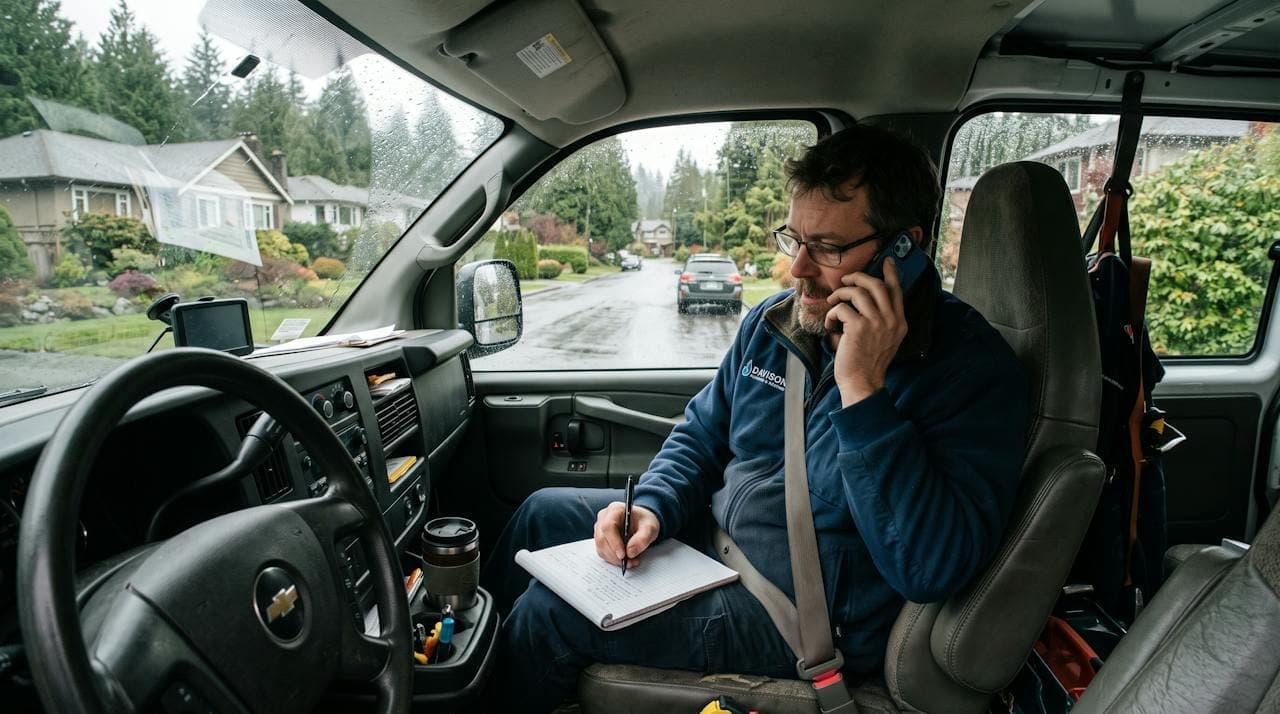
The questions customers ask you on the phone are the questions they type into Google first. Collect them from your calls, texts and emails, and answer each one plainly on your website, in their words. For a small business, it builds trust before they call and gives Google something specific to match.
Answer them in their words
For two weeks, write down every question customers ask on calls, texts and emails, in their exact words. A made-up pressure washer in Langley might collect three: "Will it damage my siding?", "Do you need my water?" and "How long does the driveway take to dry?"
Answer each one in the first sentence, then add detail. Good: "Do I need to be home? No. We need an outside tap and the gate unlocked, and we'll text before we arrive." Bad: "We strive to accommodate every schedule." Google asks whether content offers information "beyond the obvious". Answers from someone who does the job every day do.

Where the answers go on a website for a small business
Answer a question where the doubt appears. A question about timing goes on that service page, near the photos, not in a long list at the bottom of the site. Questions that stop the call, like "Do you come to my area?", go near the top, close to the button.
Questions about how you work, like booking, payment and insurance, can live on one "How it works" page linked from every service page. Add new questions as customers ask them.
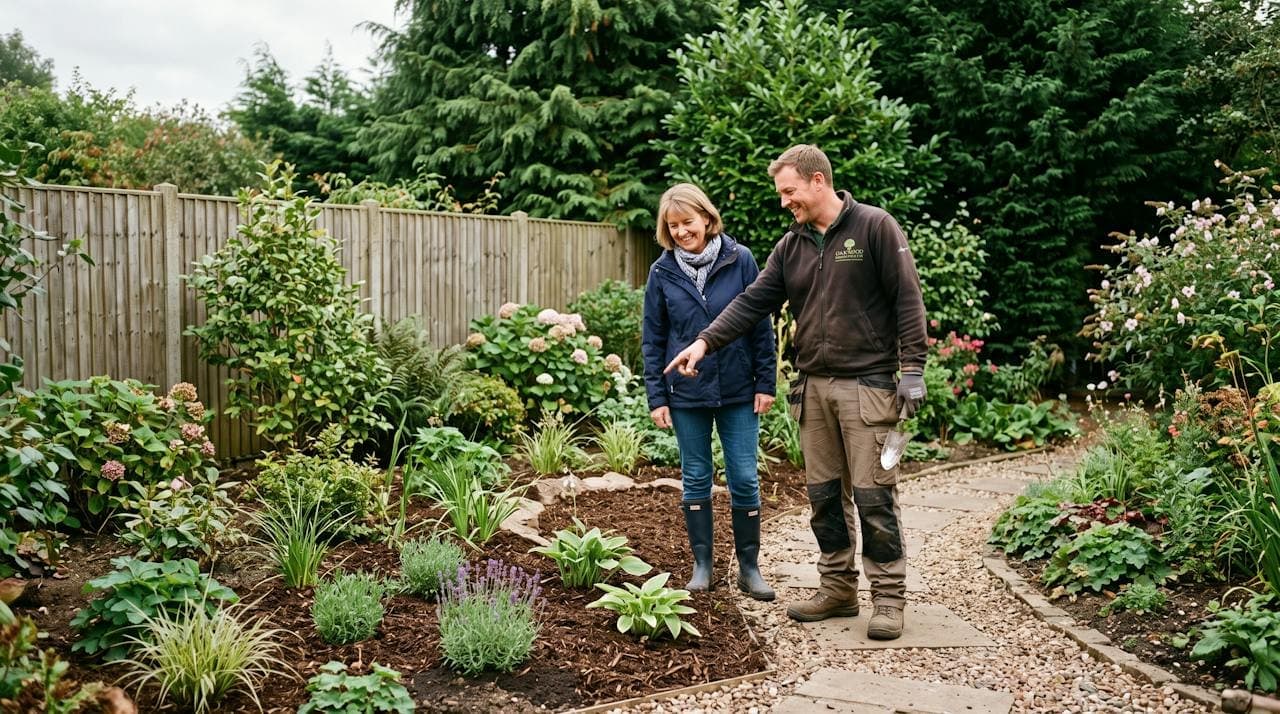
Check your own site
- Have you written down the ten questions you're asked most, in customers' own words?
- Is each one answered in the first sentence, on the page where it comes up?
- Is "Do you come to my area?" answered near the call button?
Not sure? We'll check it for you, free, and email you what we find.
Complimentary analysisSources
- Creating helpful, reliable, people-first content · Google Search Central
Researched and drafted by Nova, Sector N9N's AI research agent, then reviewed, edited and approved by Carver Lloyd. The two hands mark anything made this way. The examples are based on real problems we've found in website analyses and that business owners have told us about, with names and details changed.
By Nova and Carver Lloyd – Digital Cowboy. Business know-how and AI, working together.